



Phase III Clinical Trial for the Combination of Erlotinib Plus Ramucirumab Compared With Osimertinib in Previously Untreated Advanced or Recurrent Non-Small Cell Lung Cancer Positive for the L858R Mutation of EGFR: REVOL858R (WJOG14420L)
Source : https://www.clinical-lung-cancer.com/article/S1525-7304(21)00270-9/fulltext
MicroabstractNSCLC with L858R mutation appear to be less sensitive to EGFR-TKIs than those with ex-19del; however, the efficacy of erlotinib plus ramucirumab was maintained even in patients with the L858R...
Relevance: We have therefore planned a phase III study to evaluate the clinical efficacy of E RAM compared with osimertinib monotherapy for untreated patients with advanced NSCLC harboring L858R.

PLEK2 promotes the proliferation and migration of non-small cell lung cancer cells in a BRD4-dependent manner - PubMed
Source : https://pubmed.ncbi.nlm.nih.gov/35122599/
doi: 10.1007/s11033-022-07209-3. Online ahead of print. 1 The First Affiliated Hospital of Zhejiang Chinese Medical University (Zhejiang Provincial Hospital of Traditional Chinese Medicine), Hangzhou, China. 2 Department of Pharmacy, Jiuting...
Conclusions: The present study suggested that PLEK2 promotes the proliferation and migration of NSCLC in a BRD4-dependent manner and provided key insights into the potential avenues for preventing and treating NSCLC.

Impact of docetaxel plus ramucirumab in a second‐line setting after chemoimmunotherapy in patients with non‐small‐cell lung cancer: A retrospective study
Source : https://onlinelibrary.wiley.com/doi/10.1111/1759-7714.14236
Masaki Ishida , Kenji Morimoto , Tadaaki Yamada , Takayuki Takeda , Takayuki Takeda Department of Respiratory Medicine, Japanese Red Cross Kyoto Daini Hospital, Kyoto, Japan Search for more papers...
Conclusion: Our retrospective observations suggest that the group with longer PFS with chemoimmunotherapy might be expected to benefit from docetaxel plus ramucirumab treatment in second-line settings for patients with advanced NSCLC.
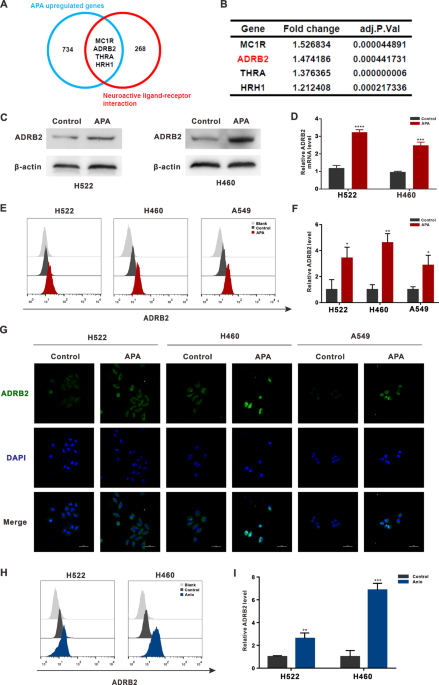
Targeting ADRB2 enhances sensitivity of non-small cell lung cancer to VEGFR2 tyrosine kinase inhibitors - Cell Death Discovery
Source : https://www.nature.com/articles/s41420-022-00818-8
Vascular Endothelial Growth Factor Receptor 2 (VEGFR2) tyrosine kinase inhibitors (TKIs) have achieved remarkable clinical progress in the treatment of non-small-cell lung cancer; however, resistance has limited their therapeutic efficacy....
Conclusion/Relevance: We demonstrated that ADRB2 signaling is crucial in mediating resistance to VEGFR2-TKIs and provided a novel promising combinatory approach to enhance the antitumor effect of VEGFR2-TKIs in NSCLC combining with propranolol.

Design, synthesis, in vitro antiproliferative evaluation and in silico studies of new VEGFR-2 inhibitors based on 4-piperazinylquinolin-2(1H)-one scaffold - PubMed
Source : https://pubmed.ncbi.nlm.nih.gov/35091289/
Angiogenesis is essential in the growth of solid tumors which need oxygen and nutrients supply to grow in size. The VEGF/VEGFR-2 signaling pathway plays an important role in tumor angiogenesis....
Conclusion/Relevance: These studies further suggested that the 4-piperazinylquinolin-2(1H)-one derivatives developed in this study play a critical role in modulating VEGFR, and guide the design of innovative anticancer therapies.